


Description
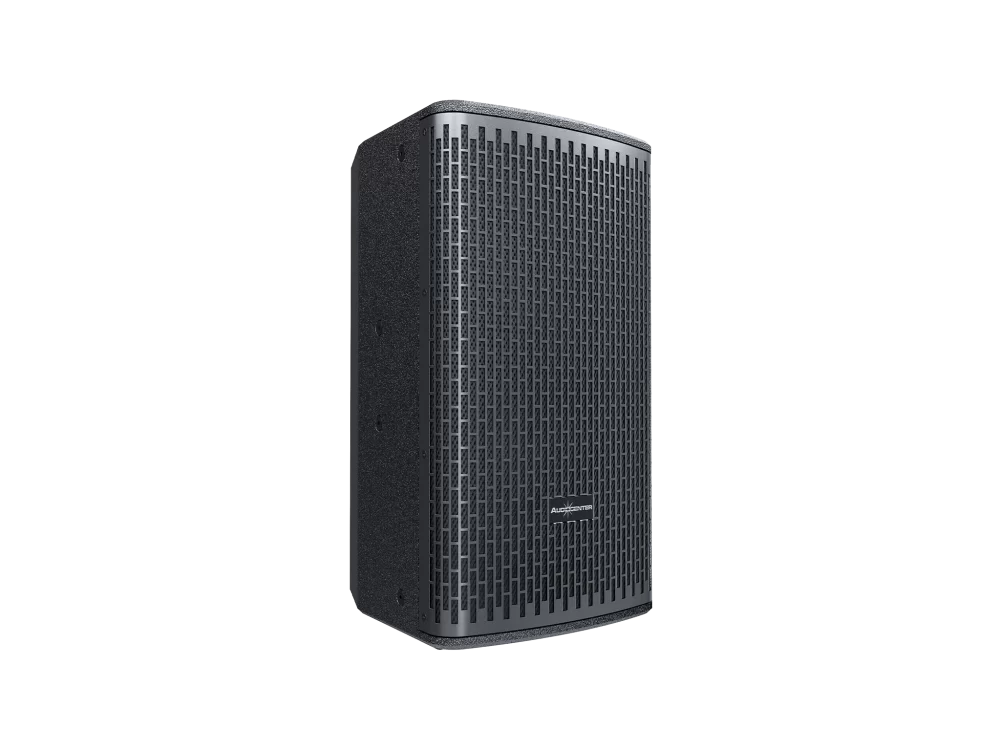
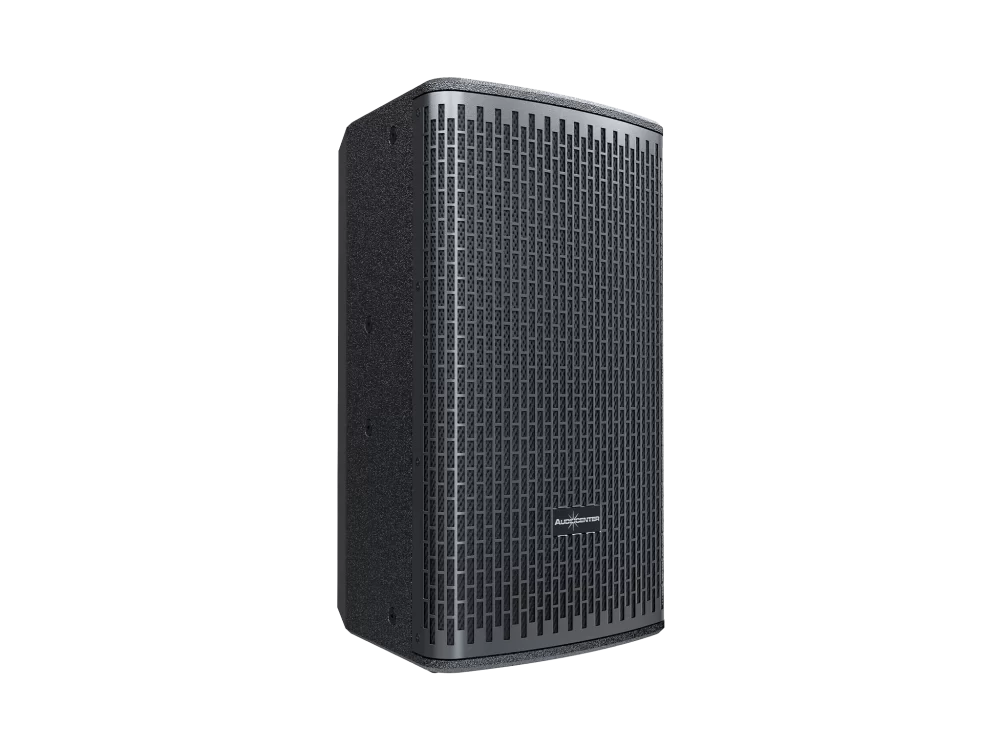
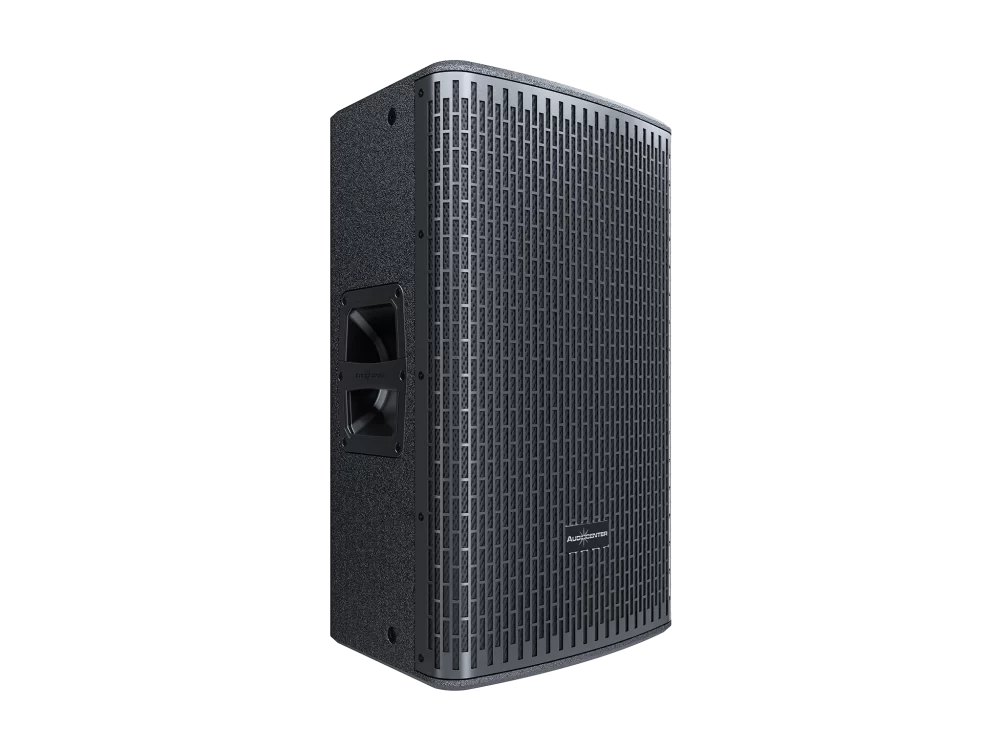
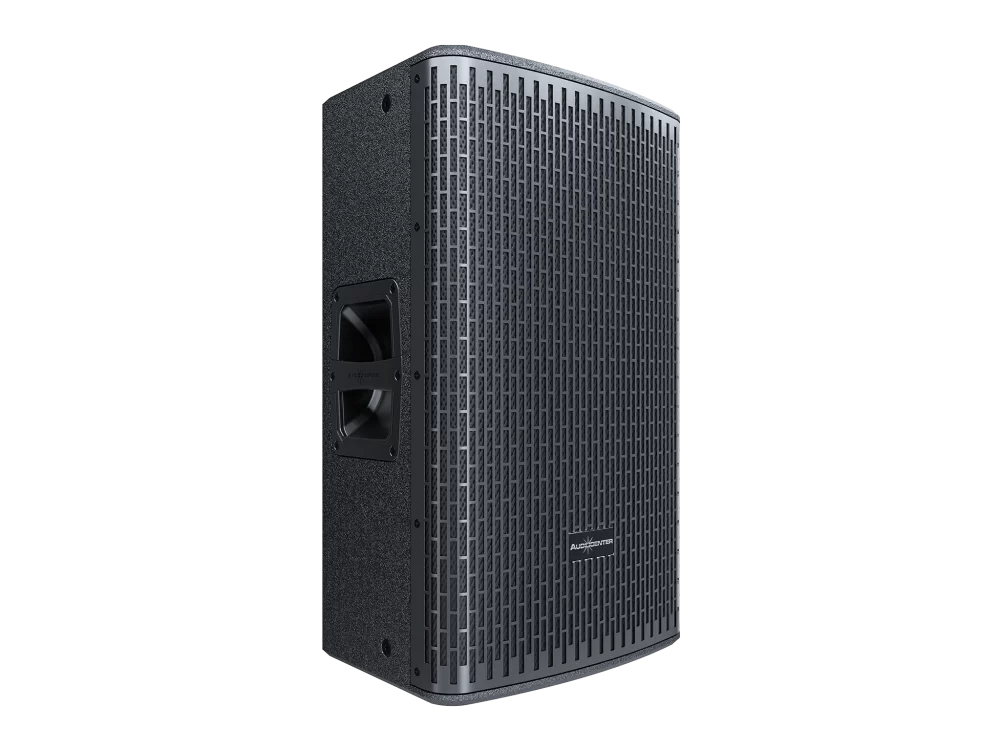
GT508A — 8-Inch Active DSP Loudspeaker
OVERVIEW
The GT508A is the smallest and most compact model in AudioCenter's GT Active Series. It is a strong fit for speech reinforcement, presentations, compact live sound, stage or room fill, houses of worship and installations where physical size matters. For music systems that need deeper bass, it is designed to integrate cleanly with an active subwoofer.
AUDIO & DSP
• Customized 8-inch low-frequency driver with 2-inch voice coil
• High-frequency driver with 1.75-inch voice coil and 1-inch exit
• 1,100W RMS / 2,200W peak Class-D amplification
• 65 Hz–20 kHz frequency response (-10 dB)
• 119 dB continuous / 125 dB peak maximum calculated SPL at 1 meter
• Rotatable 90° × 60° coverage
• 48 kHz BrainCore™ DSP with FIR filtering
• MAIN, SPEECH and W/SUB application presets
CONNECTIVITY & DEPLOYMENT
Two XLR/6.35 mm (1/4-inch) combo inputs support two-source operation; Channel A can be switched between balanced line and microphone input. The two sources can be mixed internally and sent through the balanced XLR output for easy signal cascading to additional powered speakers. The cabinet can be pole-mounted using its 35 mm (1.38-inch) dual-angle socket or installed using M8 suspension points. The coverage pattern can be rotated when the cabinet is used horizontally.
CONSTRUCTION
CNC-machined plywood, durable polyurea finish, iron grille, fan-assisted cooling and comprehensive DC, short-circuit, thermal, overload, soft-start, overvoltage and undervoltage protection.
SIZE & WEIGHT
245 × 447 × 320 mm (9.65 × 17.60 × 12.60 in)
Net weight: 13 kg (28.7 lb)
OVERVIEW
The GT508A is the smallest and most compact model in AudioCenter's GT Active Series. It is a strong fit for speech reinforcement, presentations, compact live sound, stage or room fill, houses of worship and installations where physical size matters. For music systems that need deeper bass, it is designed to integrate cleanly with an active subwoofer.
AUDIO & DSP
• Customized 8-inch low-frequency driver with 2-inch voice coil
• High-frequency driver with 1.75-inch voice coil and 1-inch exit
• 1,100W RMS / 2,200W peak Class-D amplification
• 65 Hz–20 kHz frequency response (-10 dB)
• 119 dB continuous / 125 dB peak maximum calculated SPL at 1 meter
• Rotatable 90° × 60° coverage
• 48 kHz BrainCore™ DSP with FIR filtering
• MAIN, SPEECH and W/SUB application presets
CONNECTIVITY & DEPLOYMENT
Two XLR/6.35 mm (1/4-inch) combo inputs support two-source operation; Channel A can be switched between balanced line and microphone input. The two sources can be mixed internally and sent through the balanced XLR output for easy signal cascading to additional powered speakers. The cabinet can be pole-mounted using its 35 mm (1.38-inch) dual-angle socket or installed using M8 suspension points. The coverage pattern can be rotated when the cabinet is used horizontally.
CONSTRUCTION
CNC-machined plywood, durable polyurea finish, iron grille, fan-assisted cooling and comprehensive DC, short-circuit, thermal, overload, soft-start, overvoltage and undervoltage protection.
SIZE & WEIGHT
245 × 447 × 320 mm (9.65 × 17.60 × 12.60 in)
Net weight: 13 kg (28.7 lb)
PRO AUDIO · PA SYSTEM FIT
Where this fits in the build
PA loudspeakers should be chosen around coverage, output, placement and the room or audience they need to cover. A column, point-source box or line-array module solves a different deployment problem, so the system layout comes first.
Plan aroundConfirm audience area, coverage pattern, placement and the output the job requires.
Match itMatch tops, subs, amplification and DSP to the actual deployment.
Finish itSet crossover, limiting, polarity and placement as one complete PA system.