
Description
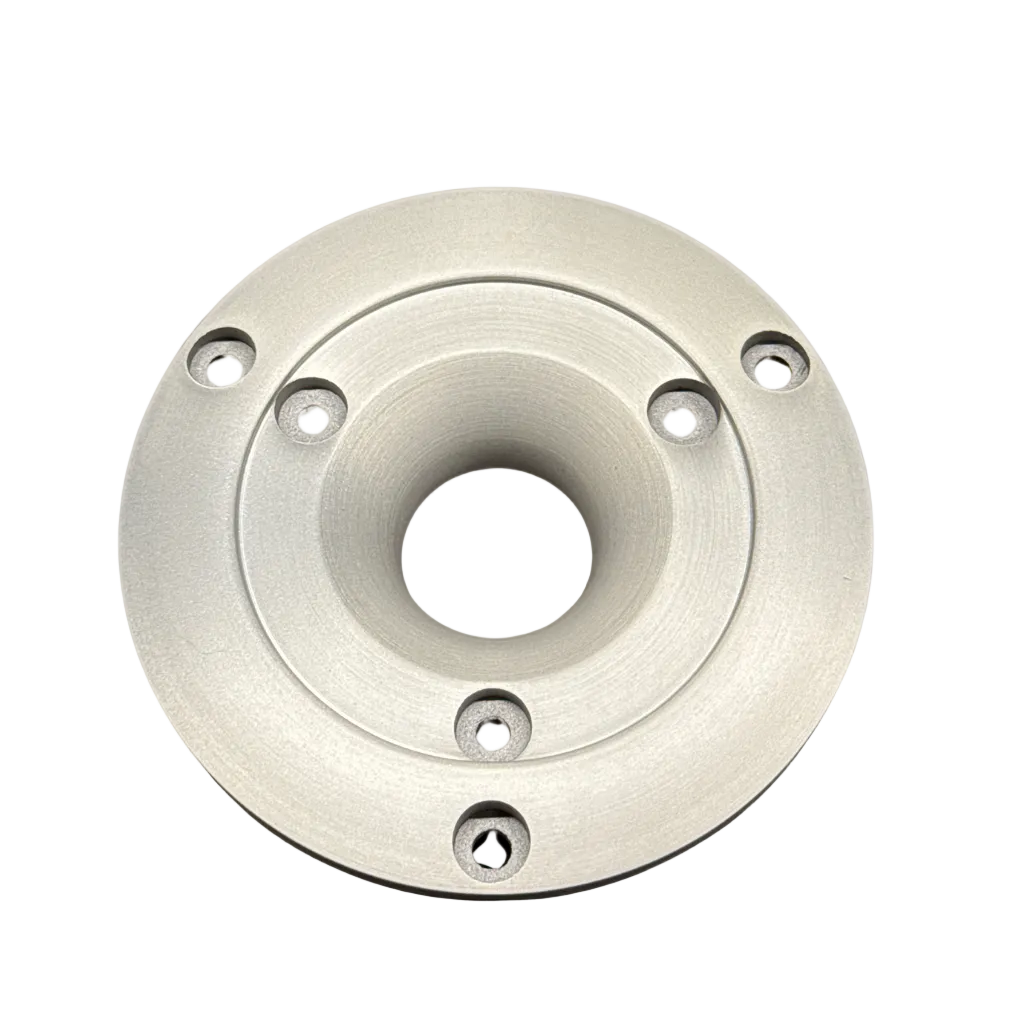
Beyma TD-PH35 1-Inch Cast-Aluminum Horn
If the system is being built around a separate 1-inch high-frequency driver, the TD-PH35 is the horn portion of that system—not a cosmetic trim piece and not something we would choose only because the throat diameter matches.
The TD-PH35 is a 1-inch cast-aluminum horn sold individually. Confirm the exact compression driver, mounting pattern, horn dimensions, rear clearance and intended coverage before fabrication; do not substitute specifications from another horn.
That means the TD-PH35 should be chosen as part of the complete driver-and-fabrication plan. Before we cut a panel, we want the exact compression driver, the exact horn and the mounting space in front of us. A 1-inch throat tells you the nominal acoustic interface; it does not guarantee bolt-pattern compatibility, rear clearance or that the horn mouth will fit and aim correctly in the vehicle.
The problem this horn is meant to solve
Once a system gets loud enough that a conventional tweeter is no longer keeping up with the midrange, the answer is not always “add more tweeters.” A properly designed horn-loaded high-frequency section can give the system better projection and a more deliberate acoustic pattern from fewer driver locations.
The TD-PH35 is part of that approach. The compression driver creates the acoustic energy; the horn loads and directs it. If the horn is buried behind an obstruction or aimed away from the listening area, a high-sensitivity driver behind it can still produce a poor result. The fabrication and acoustic geometry matter before the DSP ever gets connected.
That is why we treat the horn as part of system design. On a motorcycle, Jeep or powersports build, we are thinking about where the rider or listener actually sits, how the vehicle is used, what blocks the horn at normal seating position, and whether the high-frequency section needs to cover one listening area or a broader open-air zone.
TD-PH35 vs. TD-8060
If the design needs a horn with a fully published directivity specification, the TD-8060 gives us more documented information to design around. Beyma publishes that model as a 1-inch constant-directivity horn with 80° × 60° coverage, a 1,500 Hz cutoff frequency, 140 × 140 × 67.4 mm overall dimensions and polycarbonate construction.
The TD-PH35 is a 1-inch cast-aluminum horn. Confirm its exact physical fit and intended acoustic application before fabrication; do not apply TD-8060 coverage, cutoff or dimensions to it.
TD-8060: makes sense when its documented 80° × 60° pattern and compact square polycarbonate body fit the system goal.
TD-PH35: makes sense when this exact cast-aluminum 1-inch horn is the correct physical and acoustic fit for the selected driver and fabrication, with compatibility confirmed before the panel is built.
TD-PH35 vs. TD-1LR
The TD-PH35 and TD-1LR are both 1-inch cast-aluminum horns sold individually. Choose between them from the actual driver mounting pattern, physical dimensions, horn geometry and intended acoustic application; do not invent a performance ranking from the model names alone.
If the design specifically needs a published dispersion target, the TD-8060 is the cleaner documented comparison.
Where we would use the TD-PH35
This belongs in custom high-output systems where a separate horn and high-frequency driver are already part of the architecture: motorcycle fairings and lids, Jeep or UTV panels, custom doors, rear speaker panels and fabricated demo systems.
It is especially relevant when we have enough midrange cone area that the high-frequency section needs to project with similar authority. A powerful 8- or 10-inch midrange can make a normal small tweeter sound like it disappears when the volume rises. A horn-loaded section can solve that mismatch, but only if the horn is placed and aimed as carefully as the midrange itself.
For a conventional factory-location front stage, this may be more hardware than the system needs. A dome or compact high-efficiency tweeter can be the better tool when packaging and smooth near-field listening matter more than projection. The TD-PH35 is for a build that actually benefits from horn loading.
How we would integrate it
The horn does not set the crossover by itself. The connected high-frequency driver determines how low the assembly can safely operate, and the horn affects how that driver behaves acoustically in the installed system. A 1-inch SPL30FE and an SPL70FE have very different published lower ranges, so they would not automatically get the same crossover just because they might be used with a 1-inch horn.
With DSP, we would establish driver protection first, then tune the handoff to the midrange below it. Level matching is critical because compression drivers can be much more efficient than the cone speakers around them. After level is correct, we would address delay, polarity and EQ so the horn does not sound like a separate source sitting on top of the rest of the system.
The practical result: the TD-PH35 gives a custom 1-inch compression-driver system a cast-aluminum horn option for installations where horn choice, physical fit and aiming are being designed together instead of treated as an afterthought.
Manufacturer Specifications
| Model | TD-PH35 |
|---|---|
| Sold as | Single horn |
| Throat diameter | 1 inch |
| Material | Cast aluminum |
Fitment note: confirm compression-driver mounting compatibility, overall dimensions, rear clearance and intended coverage before fabrication. Do not substitute dimensions or acoustic values from another horn.