
Description
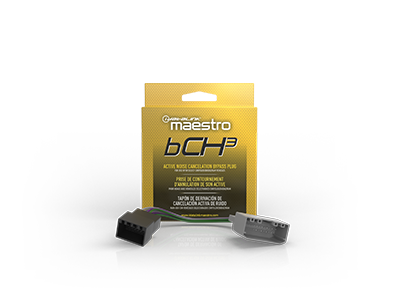
iDatalink Maestro ACC-ANC-CH3 Active Noise Cancellation Bypass Harness
When factory ANC is left active after an aftermarket amplifier goes in, the system can create low-frequency feedback, odd bass behavior, or other unwanted ANC interaction. ACC-ANC-CH3 is Maestro’s plug-in bypass for supported CH3 applications.
Published fitment: select Chrysler Pacifica 2017+ and Ram Truck 2019+ models. The word select matters—this is not a blanket Ram-by-year harness. Confirm the exact vehicle and factory ANC/audio configuration before ordering.
Where it belongs in the system: the harness bypasses the factory active-noise-cancellation unit so aftermarket amplification can be added on a supported configuration without leaving the ANC circuit active.
Do not substitute by connector appearance: ACC-ANC-CH3 is not PAC ANC-CH01, PAC ANC-CH02, an amplifier-bypass harness, or a generic Chrysler/Ram ANC solution. Use it only where ACC-ANC-CH3 is specified for the vehicle.
Manufacturer Specifications
- Manufacturer: iDatalink Maestro / Firstech
- Model / SKU: ACC-ANC-CH3
- Maestro name: bCH3 ANC Module Bypass Harness
- Function: active-noise-cancellation unit bypass for aftermarket amplifier installation
- Published family scope: select Chrysler Pacifica 2017+ and Ram Truck 2019+ models
Where this fits in the build
This is a system-control or DSP component. The correct choice depends on the signal path, channel count, routing, retained features and the rest of the amplifier and speaker plan.