
Description
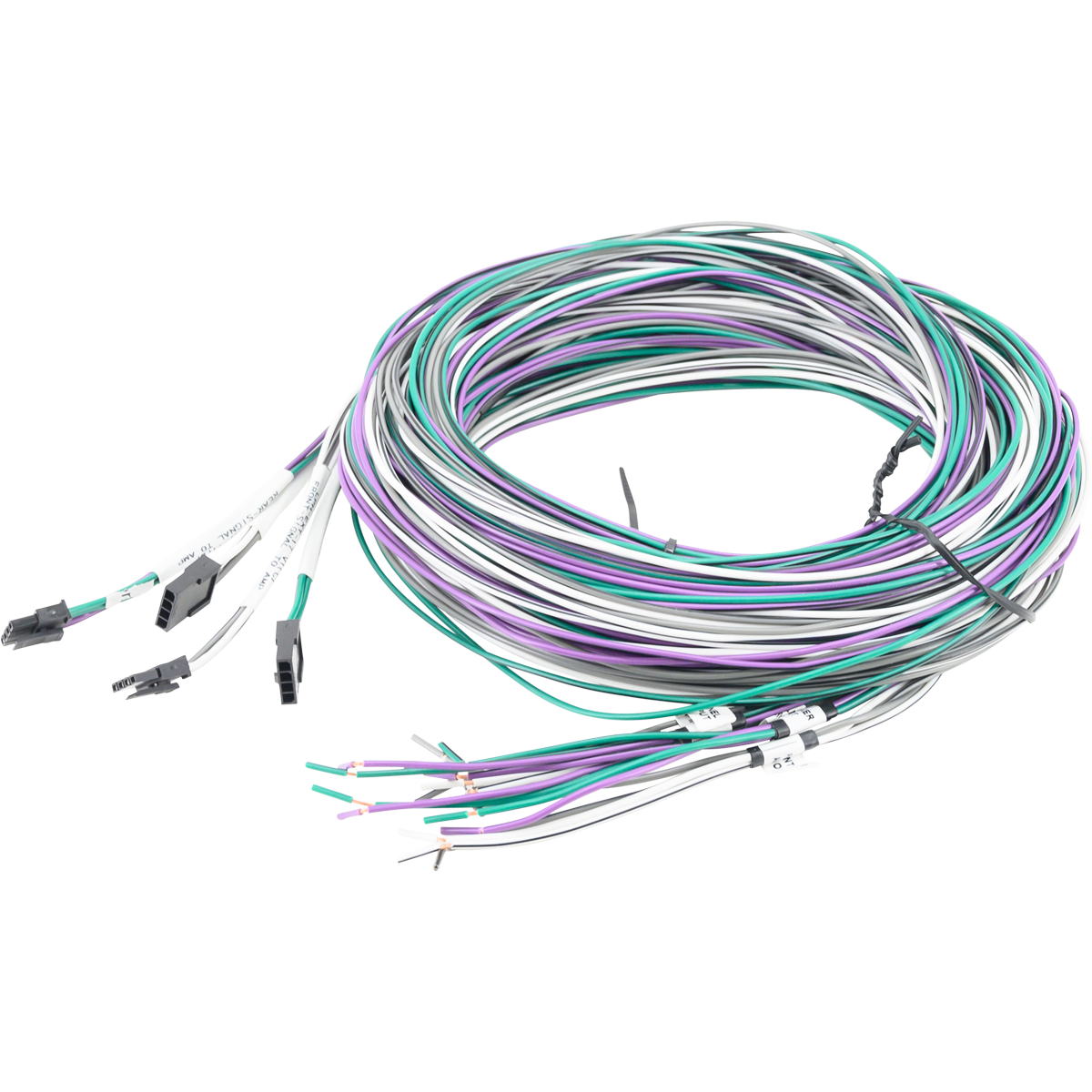
PAC LPHEXT17 17-Foot LocPRO Advanced T-Harness Extension
The factory radio may be the right place to pick up the signal, but it is often the wrong place to mount the DSP or amplifier.
LPHEXT17 adds 17 feet of reach to supported PAC LocPRO Advanced LPH harness installations so the vehicle-specific connection can stay at the radio while the integration equipment moves to the part of the vehicle that actually makes sense.
That can be under a seat, behind a rear panel, in the cargo area or on a dedicated amp rack. The point is to keep the plug-in harness architecture intact instead of cutting the LPH wiring apart and hand-extending every speaker-level circuit just because the equipment needs to live farther away.
Use the Extension to Solve Packaging, Not Signal
LPHEXT17 does not convert the factory signal, add RCA output, tune the system or provide amplifier power. The connected LOC, DSP or high-level-input amplifier still does that work. This harness simply carries the supported LPH connection to a remote equipment location.
That separation is useful because it lets us plan the equipment rack around power wiring, cooling, service access and system layout without giving up the clean factory-radio connection PAC built into the LPH harness.
Compatibility Comes From the Underlying LPH Harness
This is not a universal 17-foot speaker-wire extension. The selected vehicle-specific PAC LPH harness has to support LPHEXT17. We choose the correct LPH application first, then add the extension only when the real routing distance calls for it.
Manufacturer Specifications
- Model: LPHEXT17
- Product type: PAC LocPRO Advanced audio-integration T-harness extension
- Length: 17 feet
- Application: Compatible PAC vehicle-specific LPH audio-integration T-harnesses
- Purpose: Extend the supported LPH connection for remote LOC, DSP or amplifier mounting
Extension harness only. Vehicle-specific LPH harness, LOC, DSP and amplifier are sold separately.
Manufacturer: PAC
Where this fits in the build
This is a system-control or DSP component. The correct choice depends on the signal path, channel count, routing, retained features and the rest of the amplifier and speaker plan.