

Description
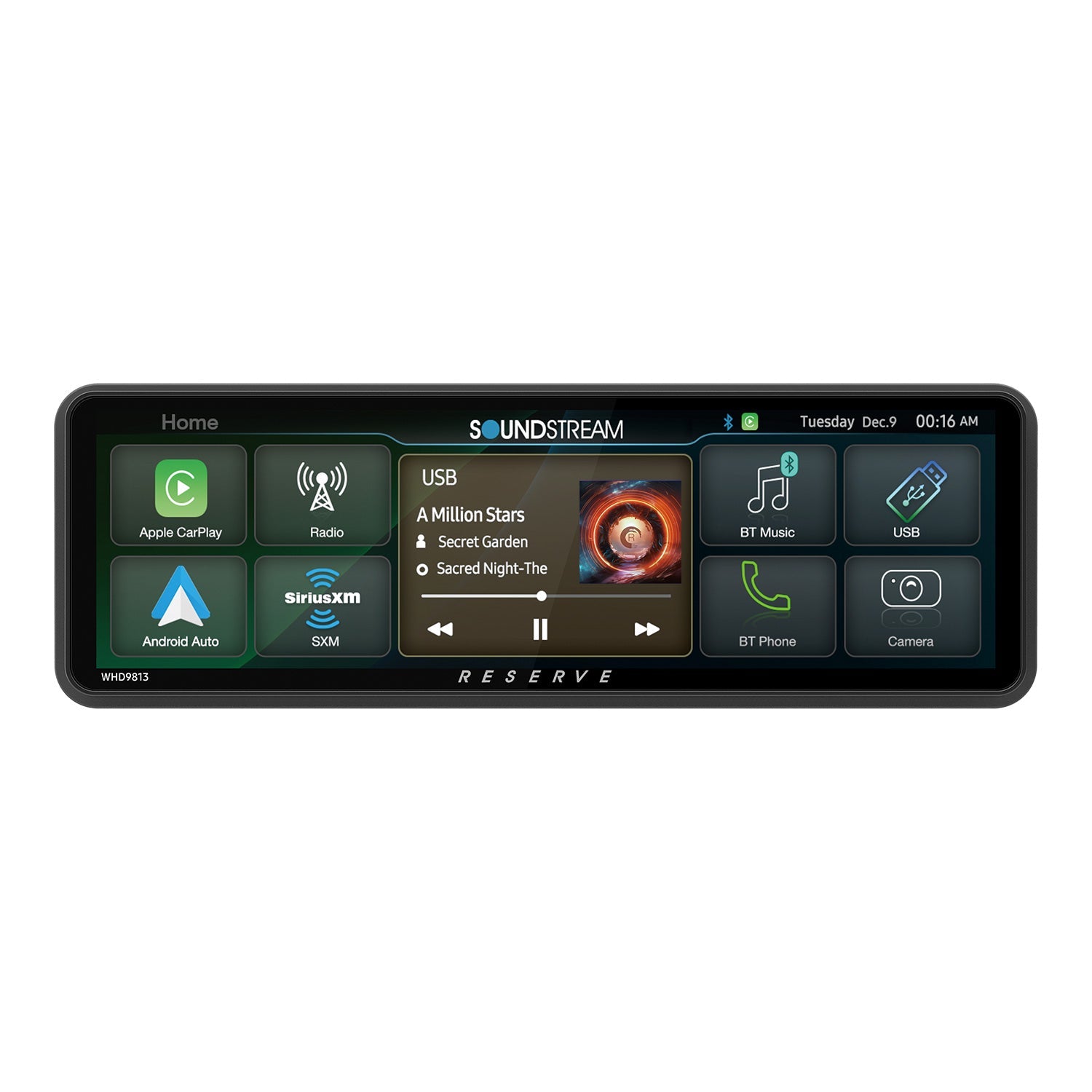
Soundstream Reserve WHD.9813 — 7.7-Inch 1998–2013 Harley Touring Head Unit
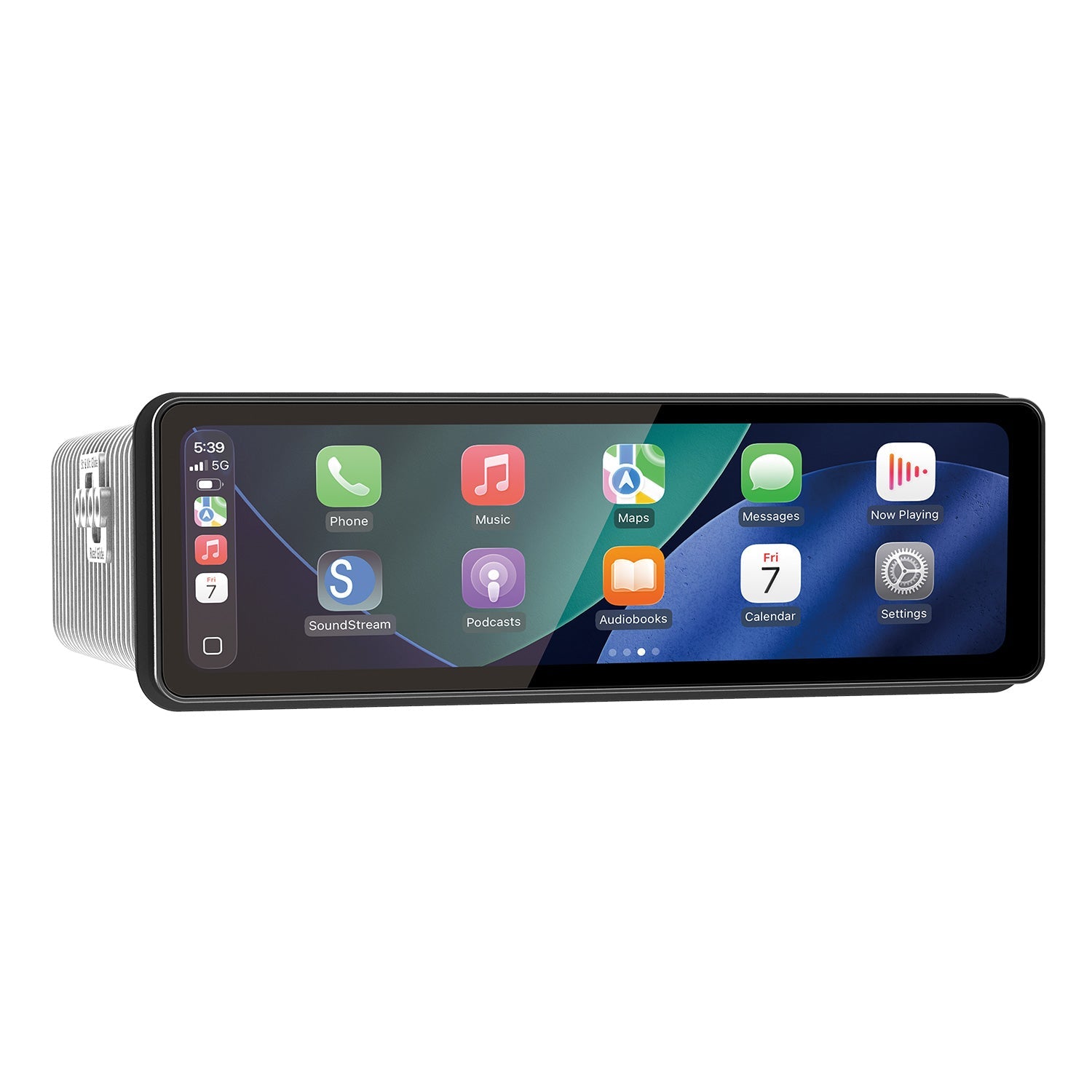
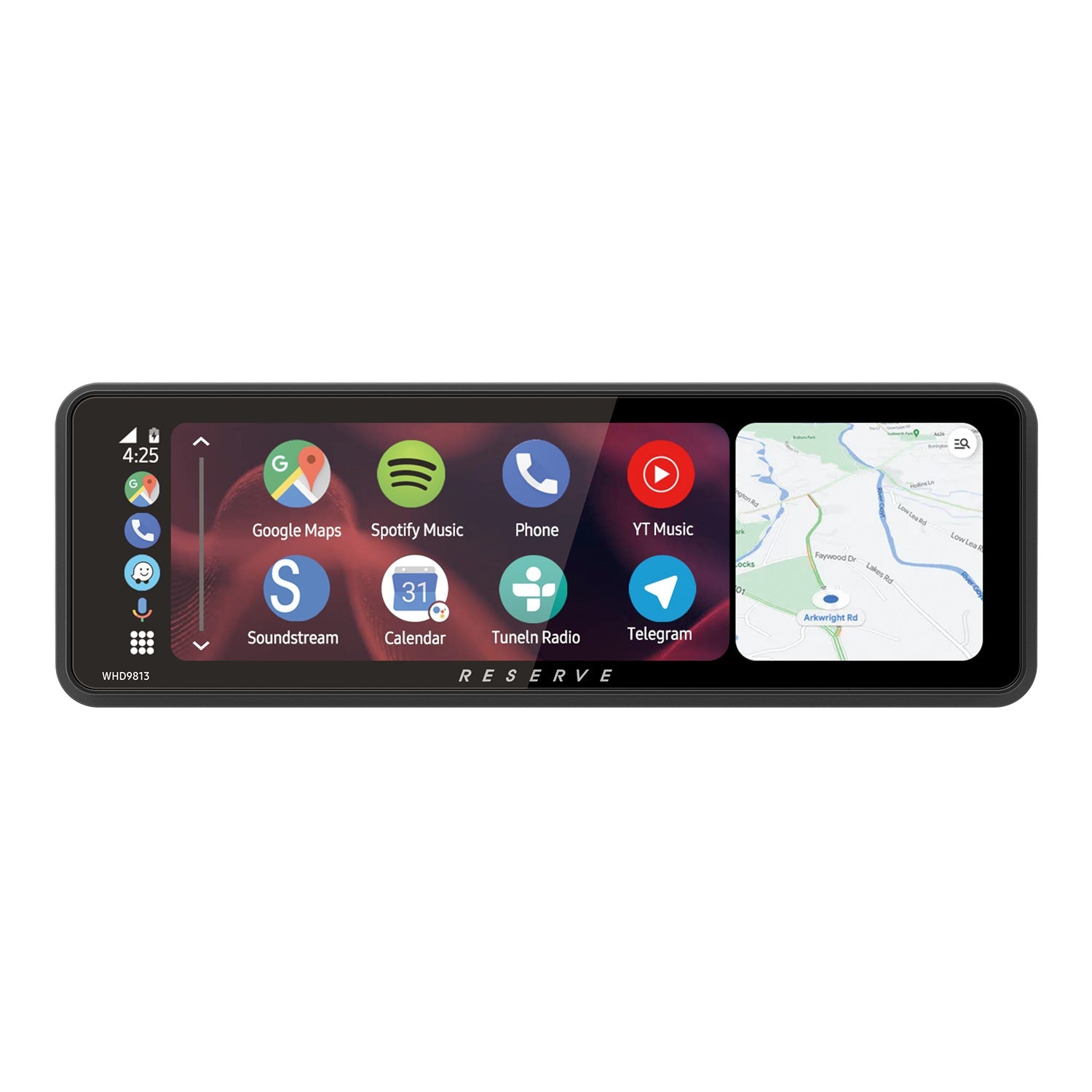
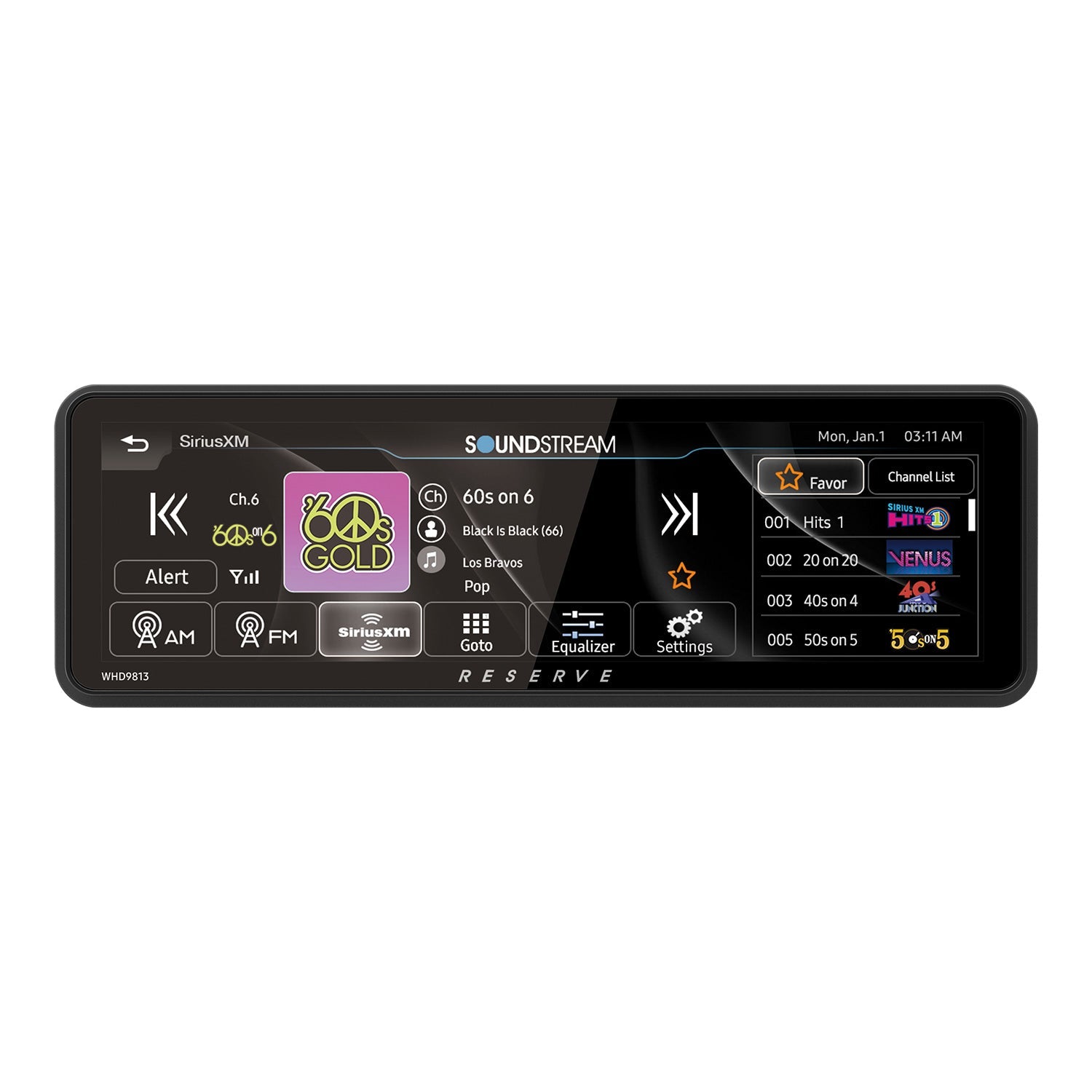
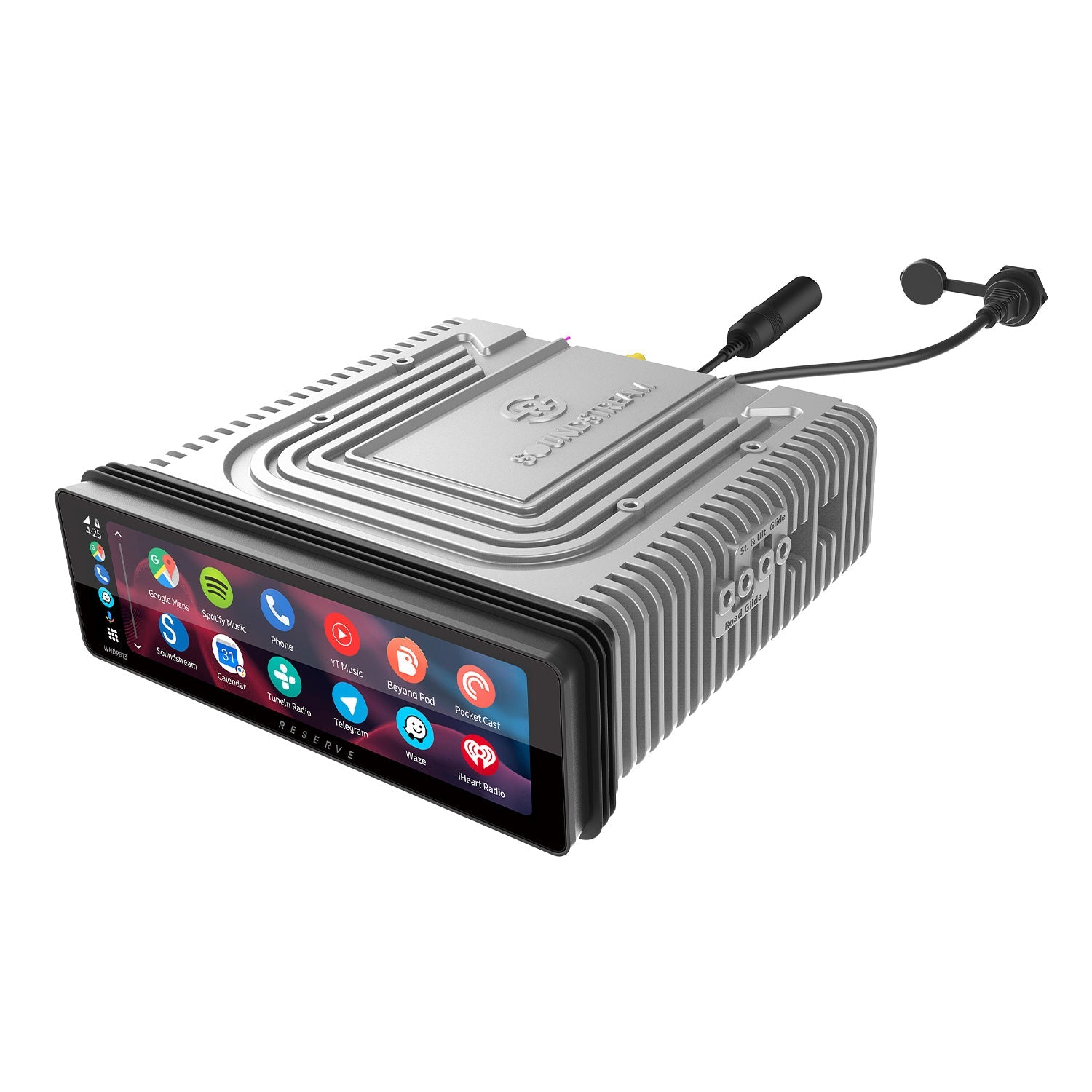
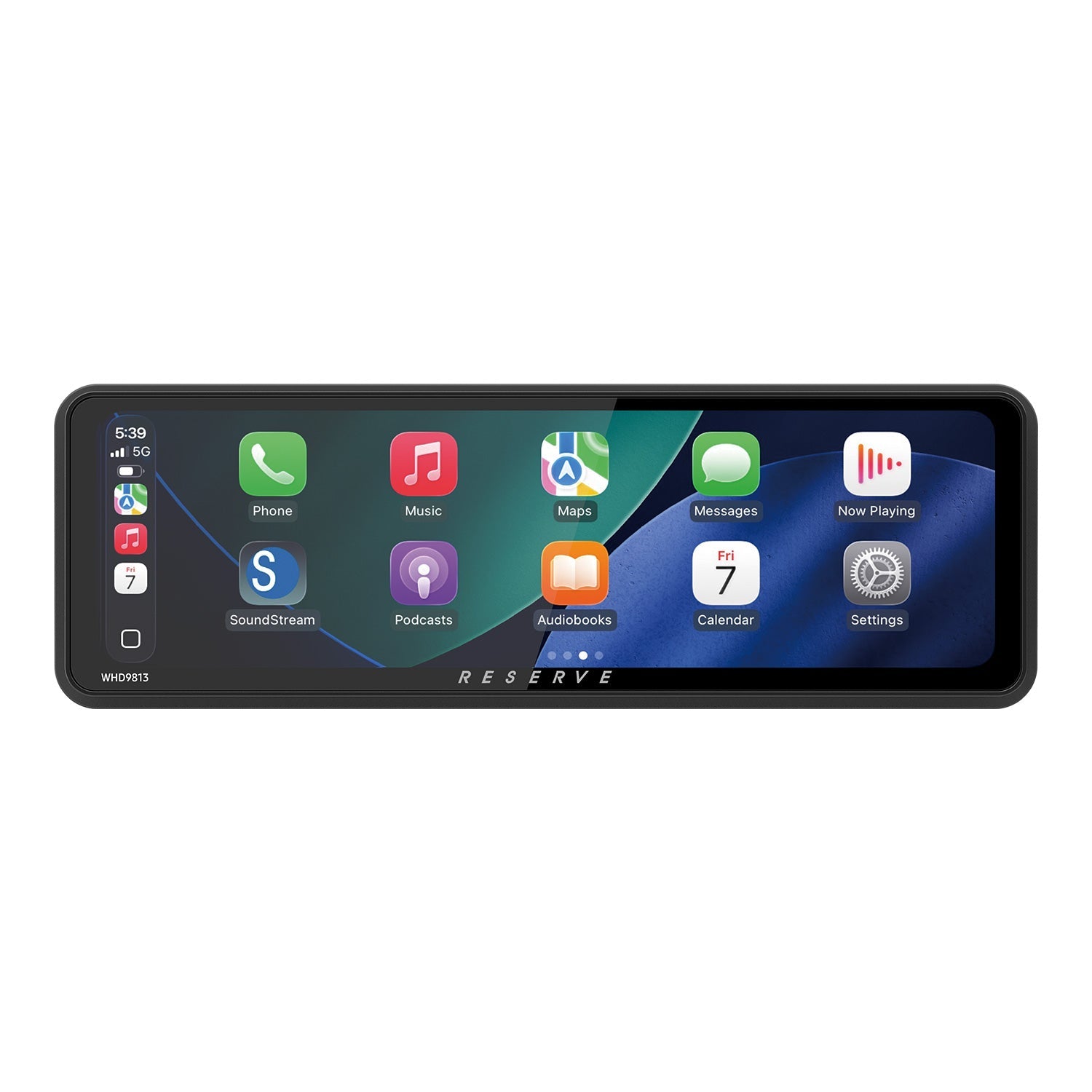
The WHD.9813 is the middle-ground choice in Soundstream’s older Harley catalog. It gives a 1998–2013 Touring bike a larger 7.7-inch widescreen, wireless Apple CarPlay and Android Auto, SiriusXM readiness and real audio-system tuning without going all the way to the SG.V2 feature package.
That makes it useful when the customer wants more screen than the 7-inch WHD.SG or WHD.RG but does not need onboard iGO navigation, Rally Mode or the SG.V2 wireless-headset system. Soundstream designed the WHD.9813 to reuse the factory mounting hardware and AM/FM antenna, with built-in handlebar-control integration and a 21-inch USB cable for a clean fairing install.
For an amplified motorcycle system, the 5-volt front/rear/subwoofer RCA outputs are a major reason to choose it. The 15-band EQ gives two custom memories plus presets, front and rear channels get high-pass crossover control, and the subwoofer output gets low-pass and subsonic filtering. That gives us a much better front end for fairing, saddlebag and subwoofer amplification than treating the radio as a simple source box.
Manufacturer Specifications
• Application: 1998–2013 Harley-Davidson Touring motorcycles; verify exact model/audio package
• Display: 7.7-inch HD widescreen Quantum Film LCD capacitive touchscreen
• Weather protection: IPX5 faceplate
• Apple CarPlay / Android Auto: Wireless
• SiriusXM: Ready; tuner/subscription sold separately
• Bluetooth: Audio playback and control
• Installation: OEM fairing location; factory mounting hardware and AM/FM antenna retained
• Handlebar controls: Built in; separate control module not required in supported applications
• USB: 21-inch cable included
• Camera input: RCA video with 12-volt trigger and on-screen shortcut
• DSP: 15-band EQ, two custom memories and presets; front/rear HPF; sub LPF/subsonic
• Preamp outputs: 5 V front, rear and subwoofer RCA
• Built-in amplifier: 4-channel Class A/B, 2-ohm stable
Where this fits in the build
The source unit has to fit more than the dash opening. Steering-wheel controls, factory cameras, amplified audio, chimes, USB, vehicle settings and data integration can change the correct installation path.